Navigating the Future of Architecture: Trends Shaping Our Living Spaces
In today’s rapidly evolving world, the field of architecture is undergoing significant transformations that reflect changing lifestyles, technological advancements, and environmental considerations. As we navigate the future of architecture, it is essential to understand the trends that are shaping our living spaces. This article explores various aspects of residential architecture, renovation, commercial design, and more, highlighting the value these services bring to homeowners and businesses alike.
Residential Architecture: Designing for Modern Living
Residential architecture is increasingly focused on creating spaces that enhance the quality of life for occupants. With a growing emphasis on sustainability, architects are incorporating eco-friendly materials and energy-efficient designs into their projects. According to recent studies, 70% of homebuyers are willing to pay a premium for homes with sustainable features, indicating a strong market demand for environmentally conscious designs.
Moreover, the rise of remote work has influenced residential architecture, leading to the creation of multifunctional spaces that cater to both work and leisure. Home offices, flexible living areas, and outdoor spaces are becoming essential components of modern homes. By understanding these trends, architects can better meet the needs of clients seeking to create harmonious living environments that reflect their lifestyles.
Renovation and Remodeling: Transforming Existing Spaces
Renovation and remodeling services play a crucial role in enhancing the functionality and aesthetics of existing structures. As homeowners seek to adapt their spaces to changing needs, the demand for renovation services has surged. In fact, the home renovation market is projected to reach $420 billion by 2025, driven by an increasing desire for personalized and updated living spaces.
These services not only improve the visual appeal of a home but also increase its market value. Strategic renovations, such as kitchen upgrades or bathroom remodels, can yield a return on investment of up to 70%. By investing in renovation services, homeowners can create spaces that are not only beautiful but also functional and valuable.
3D Architectural Visualization: Bringing Designs to Life
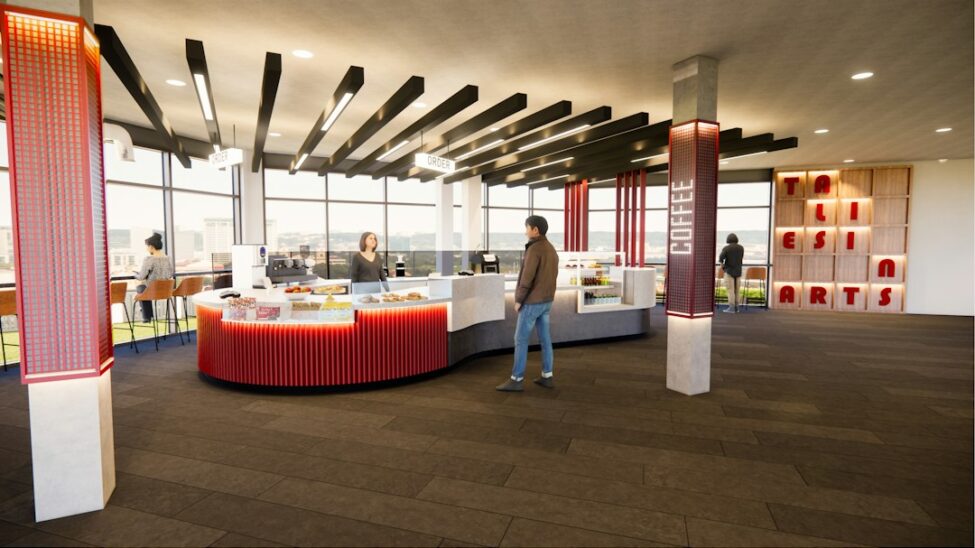
3D architectural visualization has revolutionized the way architects and clients communicate design ideas. This technology allows for the creation of realistic renderings that provide a clear picture of the final product. By utilizing 3D visualization, architects can present their concepts in an engaging manner, making it easier for clients to understand and visualize their projects.
Furthermore, 3D visualization can streamline the design process by identifying potential issues early on. This proactive approach can save time and resources, ultimately leading to more successful project outcomes. As the demand for clear communication in design continues to grow, 3D architectural visualization will remain a vital tool for architects and clients alike.
Commercial Design Solutions: Meeting Business Needs
In the commercial sector, design solutions must align with business objectives while creating inviting environments for customers and employees. Effective commercial design enhances brand identity and improves user experience, which can significantly impact a company’s success. Recent surveys indicate that well-designed workspaces can increase employee productivity by up to 20%, highlighting the importance of thoughtful design in commercial architecture.
Moreover, commercial spaces are increasingly incorporating flexible layouts that can adapt to changing business needs. This adaptability is crucial in today’s fast-paced market, where businesses must respond quickly to new challenges. By investing in innovative commercial design solutions, companies can create spaces that foster collaboration, creativity, and growth.
Landscape Architecture: Integrating Nature into Design
Landscape architecture is an essential aspect of creating harmonious living and working environments. By integrating natural elements into architectural designs, landscape architects enhance the aesthetic appeal and functionality of spaces. Recent studies show that properties with well-designed landscapes can increase in value by up to 15%, making landscape architecture a worthwhile investment for homeowners and businesses alike.
Additionally, the focus on sustainability in landscape architecture is growing, with an emphasis on native plants and environmentally friendly practices. This approach not only conserves resources but also promotes biodiversity and enhances the overall health of the ecosystem. By prioritizing landscape architecture, clients can create outdoor spaces that are both beautiful and beneficial to the environment.